
By: Emma Wood
While one holiday dominates the storefronts and media, December’s global calendar is packed with everything from the solemn reflection of Jesus Christ to the soft illumination of Hanukkah, the seven principles of Kwanzaa, and much more. All around us, there are people who do not celebrate Christmas due to religious reasons. Religion in this day and age is not just Christianity, and that is something we must understand as a community.
There are two students within our school who do not celebrate Christmas due to religious and cultural reasons, yet both of them admit that their reasoning is not recognised by the rest of Southeast. It is not some weird phenomenon that they don’t celebrate the dominant holidays around this time; it is merely different, and therefore shunned by many. This Christmas, I want us to look beyond the mistletoe in our own traditions and acknowledge others.
A Different Kind of December
Sophomore Hailey Sippel and her brother Kyle Sippel are Jehovah’s Witnesses, and for them, Christmas is not observed. It is seen as a pagan-rooted holiday, and “…in John it talks about Birthdays and the Holidays and how when celebrated caused problems”. Her religion is rooted in the belief that the holiday traditions are not biblically mandated, and in fact, biblically spoken against. The winter season for her family becomes an exercise in quiet distinction, rather than mindless celebration.
Jehovah’s Witnesses still believe in God, contrary to what many might believe. They believe in the same God as Christians, and the same Bible, but they put more of an emphasis on what the Bible says, rather than secular belief. The Bible does not explain when Jesus was born. Instead of celebrating the birth, they celebrate his Passover, which is known. It is called the ‘Lord’s Meal’, when everybody gets together to, “…pass around wine, Jesus’s blood, and pass bread, his physical body”. They still celebrate their religion, they just do it differently.
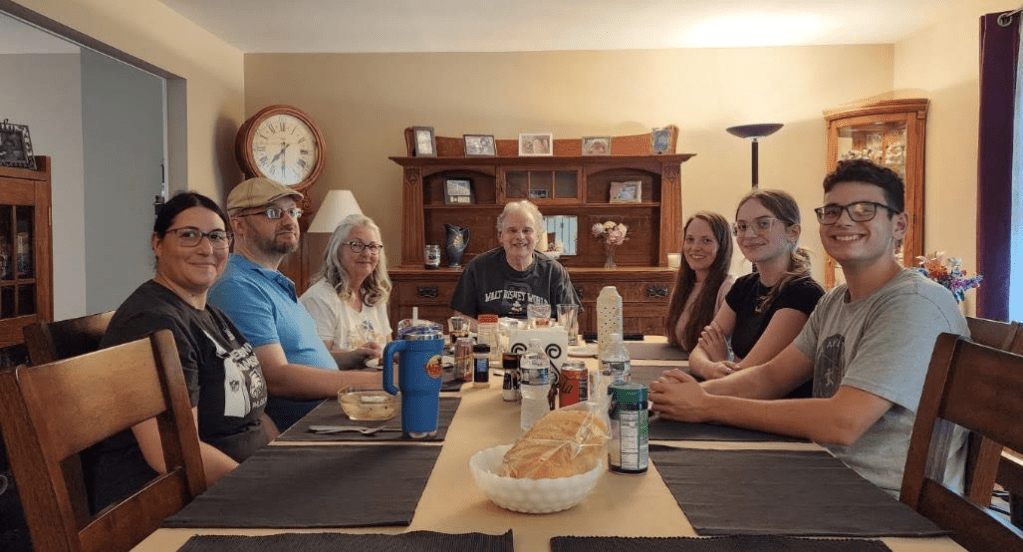
They emphasize personal faith practices year-round rather than seasonal observances. While Sippel noted moments of awkwardness, mostly when people called her religion a “cult”, or believed that she does not believe in God because she worships him differently than the majority (all of which are false), they also emphasized that their experience is less about exclusion and more about conviction.
Sippel used to celebrate Christmas, for she used to be Christian until approximately seven years ago, when her family converted to Jehovah’s Witnesses. She said that at first it was difficult to transition, like she was missing out and was robbed of the Holidays, but once she got older and understood why they didn’t celebrate anymore… she no longer felt that way. She understood, accepted it, and does not regret it.
“It doesn’t really change much for me,” Sippel said. She still enjoys the winter months, and loves it all, she just… doesn’t celebrate Christmas. It is not that they are missing out; it is just that her family has a faith that asks them to focus differently.
A Different Kind of Christmas
Junior Laine Streem comes from Jewish descent. Her father is Jewish, her mother is Chrisian, so she observes both holidays. Christmas carries a different tension for her: it symbolises a holiday season that surrounds them completely while also favoring one that doesn’t really show up in society… at all.
While Hanukkah sometimes overlaps with Christmas, it does not serve as a parallel equivalent. Yes, there are gifts given, and games, and food, but Streem described her Jewish festivities to lean more “sacred” than the Christian side. She described December as a time of heightened visibility, of being reminded constantly that they belong to a minority tradition. That they “…don’t get enough recognition as a religion”.
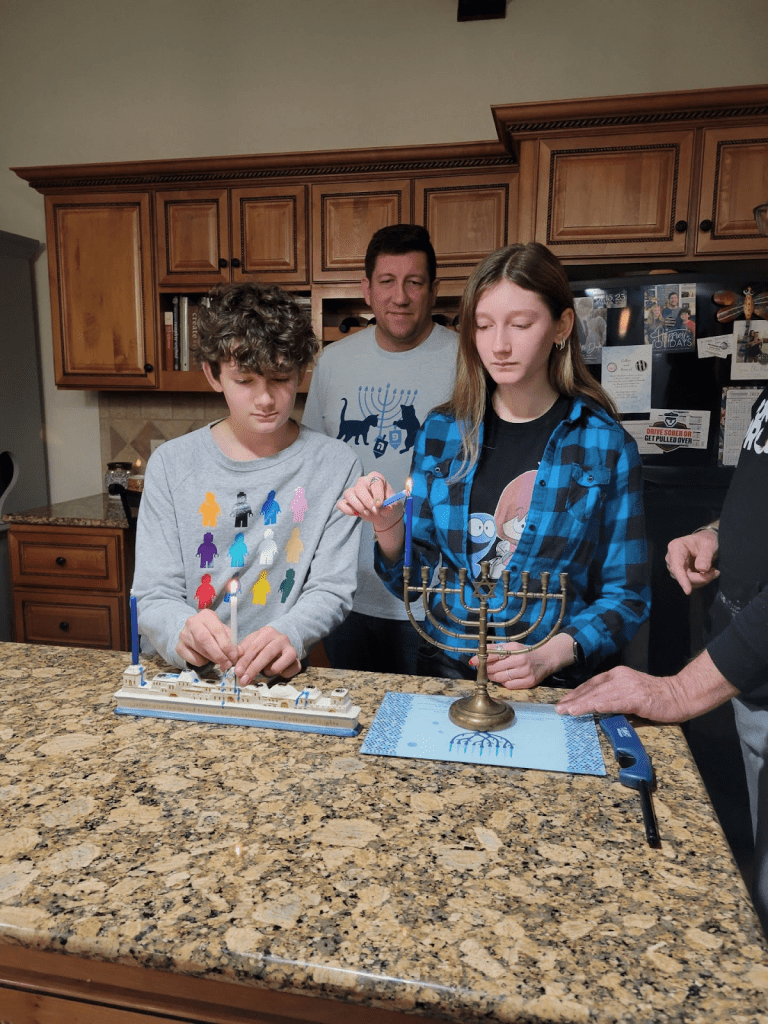
Her family lights the menorah, and has the kids all do it together. They spin the dreidel and collect little chocolate coins from the table. They have a multitude of traditions that we might not experience, but it makes their family what they are. Same as how we have our own traditions at home.
The Jewish traditions are holy, deep, and incredibly personal. While she expressed that she wasn’t, “… as strict with the Jewish religion as some of my cousins. They go to Hebrew school and fast, and don’t eat pork, or yeast at certain times”. She still exclaims that she has a very deep personal tie to Judaism. She expresses concern regarding how people speak to her about her Jewish roots, and wishes people were “…more open to actually understanding what happens rather than make assumptions”.
When asked if Streem enjoyed Hanukkah or Christmas more, she said it was hard to choose, but that her Jewish side, “…was more sacred, it just feels… sacred. More special”. She emphasized resilience and pride in her identity, for both sides of her family. Hanukkah for her became a grounding ritual, a reminder of continuity and survival in a world that often assumes uniformity.
Shared Ground
Despite their differences in belief, both students described a similar emotional landscape: isolation softened by understanding friends and more. They also described how their families anchor them in their traditions… same as the rest of us.
What stood out is not what they did during December, but what they carried: faith, history, and an incredibly clear sense of self. They challenge the idea that celebration must look one way, that joy requires participation in Christmas or other rituals that most others do.
As this December unfolds, I ask one thing of all of you: Look beyond the mistletoe, into the world of those celebrating a bit differently than you.
 The Pirate Post