
By: Ava Lenze & Abi Lenze
The word “prom” comes from the French word “promenade,” meaning “to take a leisurely walk,” and is often used in ballet to refer to the slow rotation of a dancer during a partnered dance. At American high schools, prom is a dance during students’ junior or senior year of high school where they dress up, take pictures, and spend the night dancing before their final exams; but prom didn’t always look how it does now. From dresses to traditions, prom has changed over the decades.
The concept of prom dates back to ancient Greece, where elite men participated in banquets known as “symposia” to celebrate their transition into adulthood. A similar idea of a coming-of-age ceremony was popular in England during the 18th century, known as debutante balls. There were also cotillons in North America at the same time, which focused largely on dresses and dancing. The idea of celebrating the transition into adulthood quickly spread through America. In the late 19th century, Ivy League colleges such as Harvard held “promenade concerts” where attendees listened to live classical music while walking or dancing, often while in formal attire. These past celebrations largely inspired the prom we know today– formal, social gatherings to celebrate your last years of high school. Though it is not known who held the first prom, the tradition can be seen as far back as the 1950’s at Southeast.
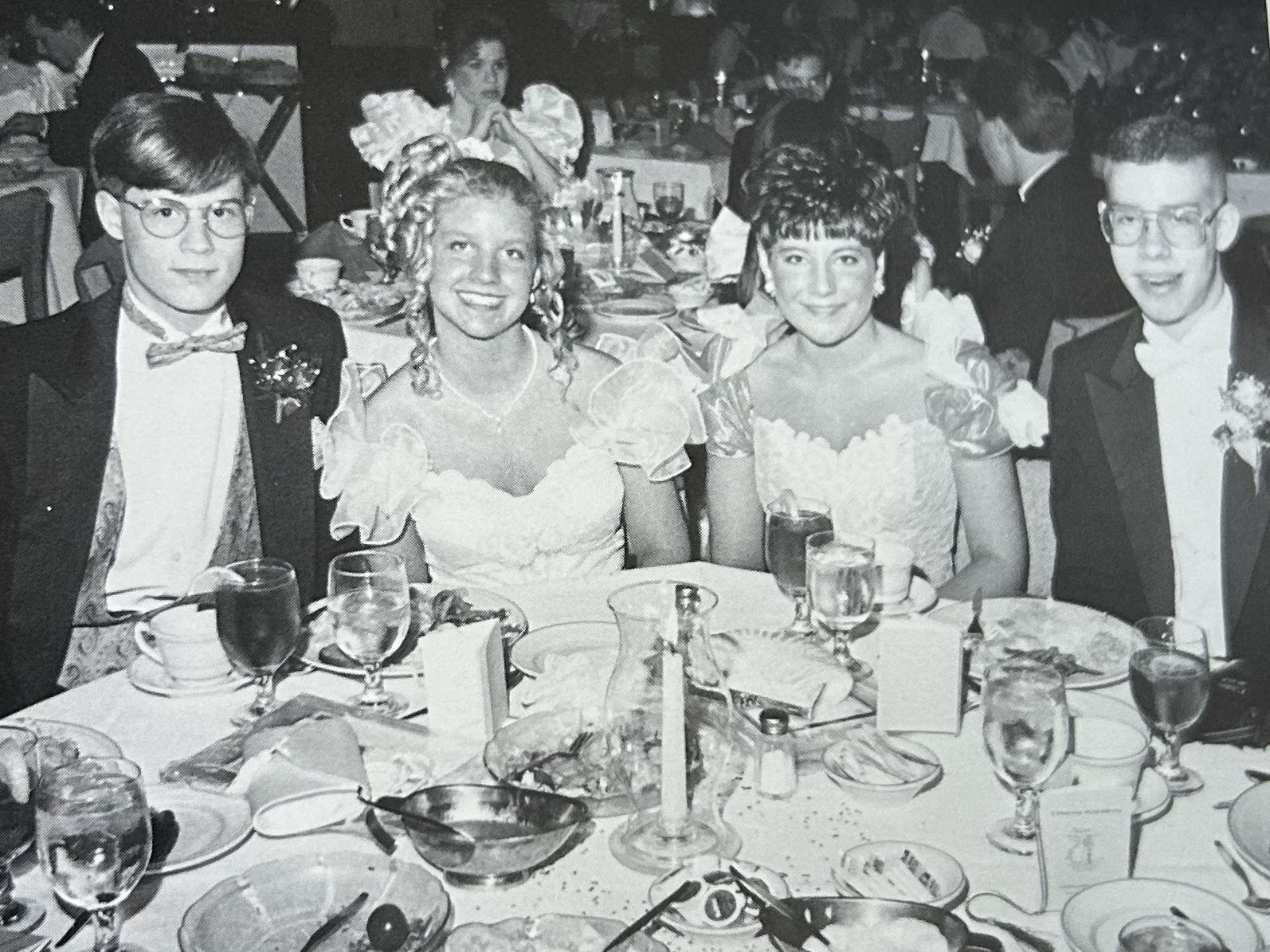
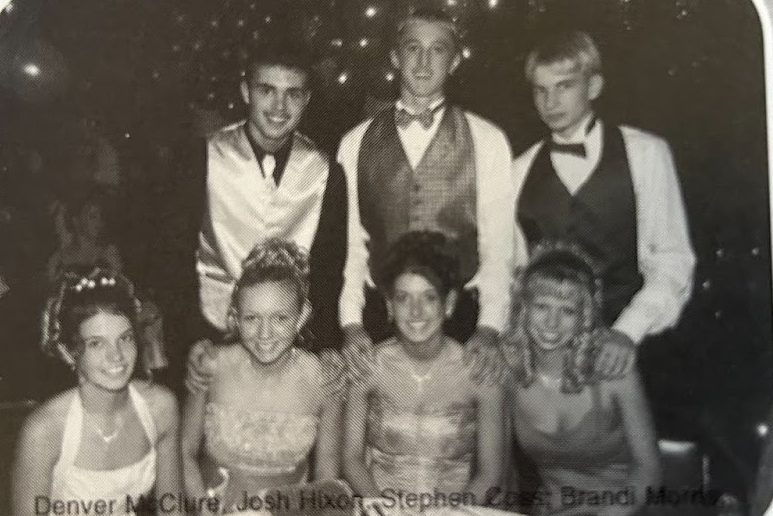
Linda Dillon, current substitute and former student at Southeast High School, graduated from Southeast in 1976. Though she did not attend prom herself, she has many experiences with the dance through friends’ stories and her children’s experiences, and has seen how trends have changed over time. Prom used to take place at the school and was more of a formal event than it is now, with tailored suits, elegant, modest attire, and ballroom-style dancing. Students today may go out and spend close to $300 on their dress, if not more, while students then would be spending around $60 or making their own gowns. Today, students often rent nice cars or limos to drive on prom night, but many used to take tractors or their restored cars. While the idea of prom has stayed the same, many of the finer details have changed dramatically.

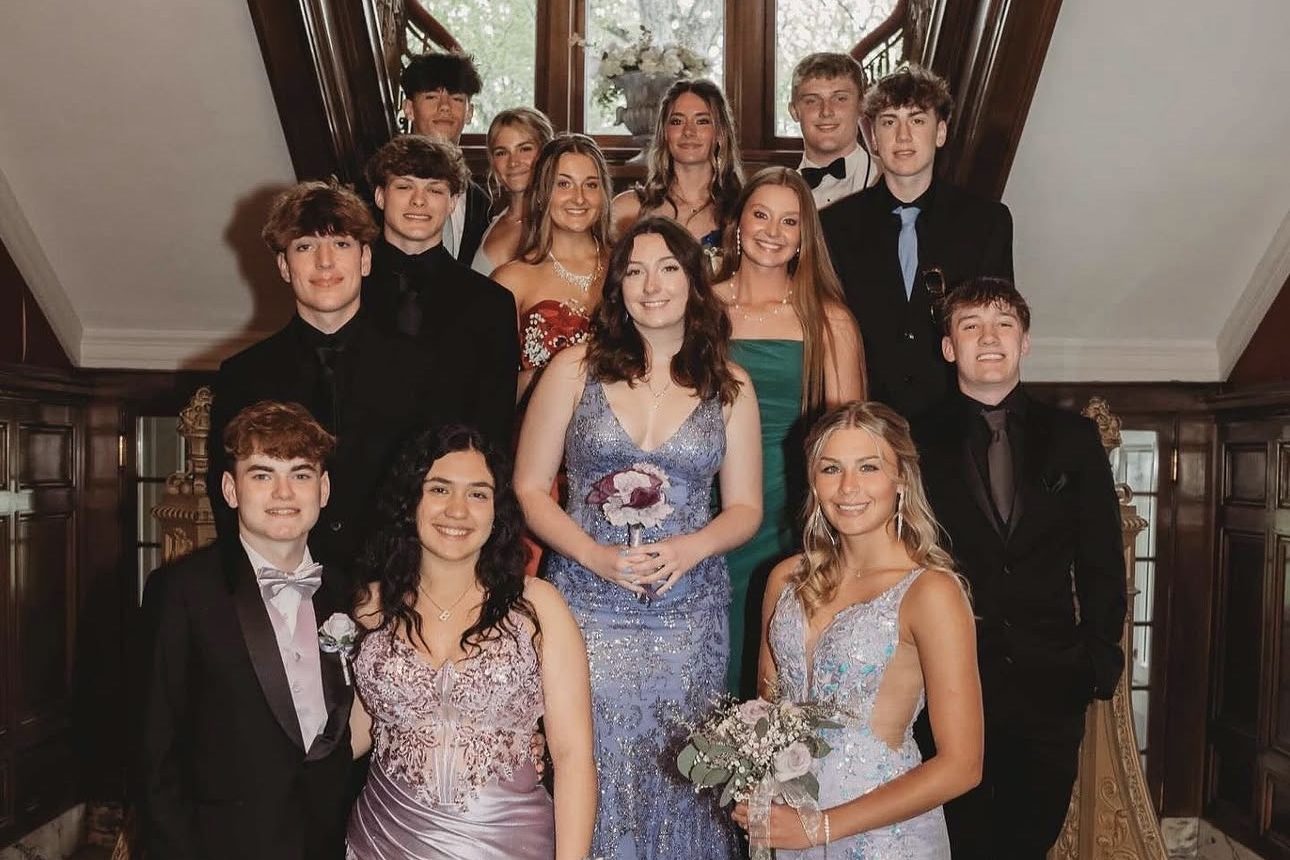
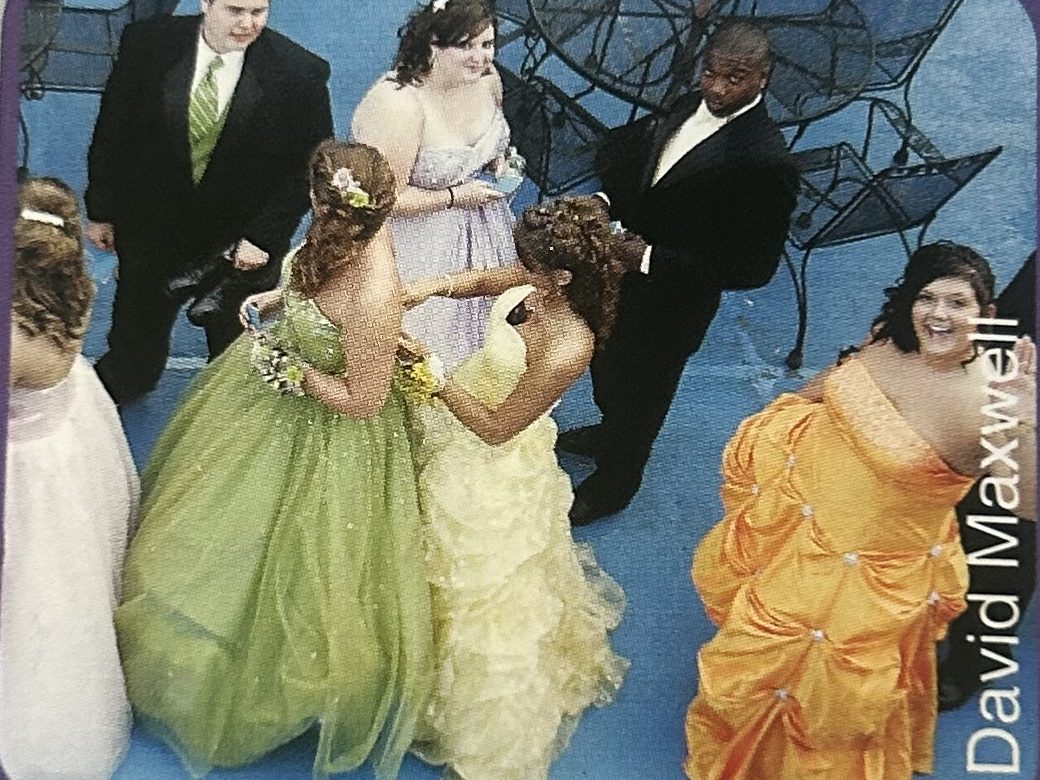
Today, prom has gained traction through teen movies, promposals, and social media. While the idea of prom and the traditions around it have stayed relatively the same, the biggest changes come in dress and style. Many girls spend hours finding the perfect dress, getting their hair and nails done, and finding an ideal spot to take pictures. Many guys have switched from full suits to vests and button-downs that match their date’s color scheme. Prom dresses have evolved from conservative, tea-length skirts to longer, more dramatic gowns featuring sequins, sparkles, intricate designs, and cutouts that showcase individual style. In 2026, popular styles include corset tops, high slits, drop waists, and sleeveless dresses matched with bright colors, lace, or beading. Location has also changed, with many schools renting out larger spaces to host the event. At Southeast, we started having it at Saint Nicholas Orthodox church or on the Gateway Clipper Fleet in Pittsburgh..
Prom through the decades shows how much styles, music, and traditions have changed over time while highlighting what has stayed the same. From classical, elegant dances of the past to today’s modern themes and trends, prom has always been a night for students to celebrate, express themselves, and create lasting memories. Each decade brings its own unique influence, shaping everything from fashion to music, yet the excitement and meaning behind the event remain constant. Prom has continued to be an influential part of the high school experience in America.

